
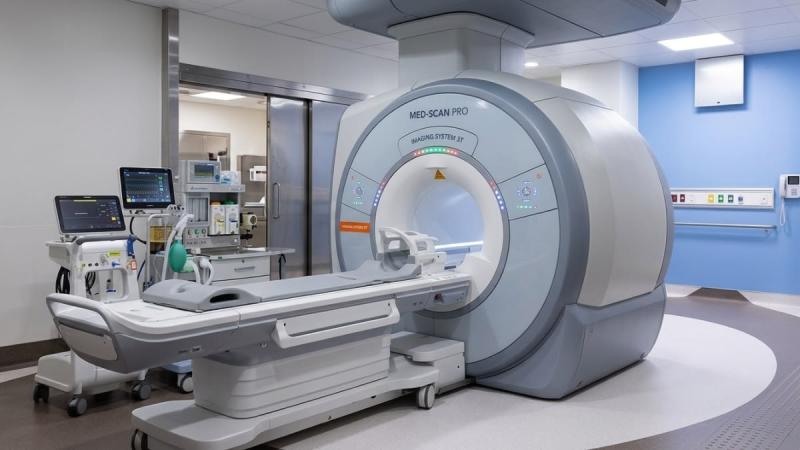

Medical imaging has become one of the most important components of modern healthcare, providing physicians with the information they need to diagnose diseases, monitor medical conditions, and develop effective treatment plans. Procedures such as X-rays, CT scans, MRI examinations, and ultrasound imaging allow healthcare providers to look inside the body without invasive surgery, making diagnostic processes faster, safer, and more accurate. In the opinion of Kasey McKillip, behind every high-quality medical image is a skilled imaging technologist whose expertise ensures that patients receive reliable diagnostic results.
Kasey McKillip Highlights the Key Skills That a Good MRI Technologist Must Have
Among all imaging specialties, Magnetic Resonance Imaging (MRI) continues to experience rapid technological advancement. Modern MRI systems are becoming increasingly sophisticated, offering improved image quality, faster scanning times, and advanced diagnostic capabilities. As healthcare facilities face growing patient volumes and increasing expectations for efficiency, MRI technologists must continually develop their skills to remain competitive in the field. Success today requires far more than simply accumulating years of experience. Employers seek professionals who combine technical expertise, patient-centered care, safety awareness, and operational efficiency to support high-quality healthcare delivery.
One of the most critical competencies for MRI professionals is a thorough understanding of MRI safety practices and patient screening procedures. MRI environments present unique risks due to the powerful magnetic fields generated by the equipment. Even small errors in screening can result in serious consequences for patients, staff, and equipment. Skilled MRI technologists carefully evaluate patients for implanted medical devices, metallic objects, and other contraindications before every examination. They understand the importance of maintaining proper access control within designated MRI safety zones and consistently follow established safety protocols. Healthcare organizations highly value professionals who can ensure a safe environment while maintaining an efficient workflow.
According to Kasey McKillip, another key area of expertise involves mastering MRI protocols and image optimization techniques. Exceptional MRI technologists understand not only how to operate the scanner but also why specific imaging protocols are selected for different clinical situations. They possess the ability to adjust scanning parameters when necessary, reduce image artifacts, and obtain high-quality diagnostic images even under challenging circumstances. This skill becomes particularly valuable when working with patients who have difficulty remaining still, complex medical conditions, or unusual anatomical variations. The ability to consistently produce accurate and clear images contributes directly to better diagnostic outcomes and enhances the overall effectiveness of the radiology department.
MRI technologists must additionally have the ability to communicate effectively with patients and provide compassionate care throughout the imaging process. Many patients arrive for MRI examinations feeling anxious, uncomfortable, or uncertain about what to expect. Some individuals experience claustrophobia, while others may be dealing with pain or mobility limitations. Successful MRI technologists recognize that technical knowledge alone is insufficient. They must also possess strong interpersonal skills that allow them to explain procedures clearly, answer questions patiently, and create a reassuring environment. By helping patients feel comfortable and informed, technologists can improve cooperation during scans, reduce the likelihood of motion-related image degradation, and minimize the need for repeat examinations.